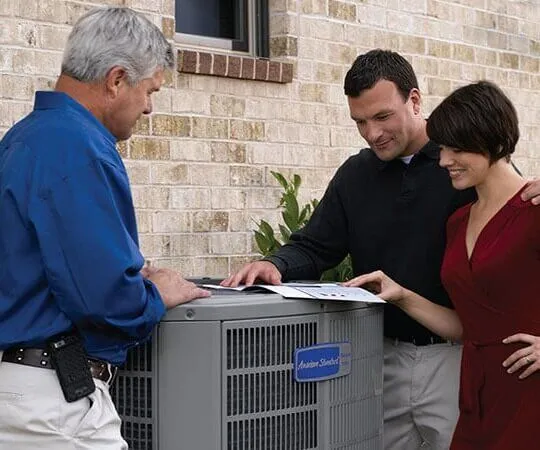
Smart Steps for Planning, Installing, and Maintaining Home Comfort Systems
Start by defining what comfort means in your space, because needs differ between a drafty historic home and a tight, newer build. Assess square footage, insulation levels, window exposure, and occupant schedules. Then align goals with practical constraints like electrical capacity and fuel availability. A clear scope helps you compare options across HVAC equipment, from furnaces and heat pumps to mini-splits, without chasing features that won’t improve real-world performance.
Meanwhile, think ahead about lifecycle costs rather than just the purchase price. Verify expected energy use, filter replacement cadence, and service intervals. In practice, it’s wise to buffer your budget for duct fixes or thermostat upgrades discovered during installation. Flexible planning preserves choices if a load calculation suggests resizing equipment or if duct sealing becomes the faster path to comfort and quieter operation.
Beyond that, focus on airflow fundamentals. Inspect existing ducts for kinks, poor insulation, or leaky joints that sabotage efficiency and noise control. Then document key measurements: supply and return sizes, static pressure, and register locations. Balanced airflow reduces hot-and-cold spots and supports better filtration. If ducts are impractical, Ductless AC Installation can solve room-by-room needs while avoiding crawlspace work that adds time and disruption.
Often, the best sequence is to address the envelope before selecting equipment. Maintain weatherstripping, add attic insulation where feasible, and validate that windows and doors close tightly. Refining the shell may allow a smaller system with longer, steadier run cycles. That steadiness typically supports comfort and humidity control, especially during shoulder seasons when oversized units short-cycle and leave rooms clammy.
However, capacity isn’t the only spec to weigh. Inspect blower technology, compressor staging, and control strategies. Variable-speed fans and multi-stage compressors can temper temperature swings and reduce start-up noise. Then align thermostat features with daily patterns, enabling setbacks without sacrificing morning warm-up or afternoon cool-down. Smart controls are helpful, but only if matched to wiring, Wi‑Fi reliability, and user preferences.
Next, sketch a clean installation workflow. Stage materials to protect floors and finishes, plan condensate routing, and verify clearances for service access. For AC Installation and Repair or Heating Installation and Repair, confirm disconnects, fuel lines, and venting paths early, since small relocations can prevent future headaches. Thoughtful placement also simplifies filter changes, keeping routine maintenance quick and far less likely to be deferred.
Then, don’t overlook indoor air strategies. Indoor Air Quality Services encompass filtration upgrades, humidity management, and fresh air exchange. Validate that filters match blower capacity, and calibrate humidifiers or dehumidifiers to regional conditions. In homes with allergy concerns, consider higher-MERV options with adequate return area to avoid choking airflow. Finally, set reminders to replace filters on a cadence aligned with pets, renovation dust, or wildfire season.
After equipment is installed, insist on documentation. Record model and serial numbers, breaker locations, filter sizes, and warranty terms. Document commissioning data such as temperature split, refrigerant readings, and combustion results. These details speed future diagnostics and support timely tune-ups. A well-documented system is easier to service, which can extend useful life and maintain efficiency as seasons change and usage patterns evolve.
Separately, consider fuel logistics where applicable. If your system relies on liquid fuels, plan delivery intervals that buffer for storms or peak demand. Propane and Oil Delivery scheduling should reflect tank size, historical consumption, and access to the fill location. Simple site improvements—clear signage, trimmed vegetation, and stable ground—enhance safety and reduce delivery delays during the busiest periods.
Finally, set a maintenance rhythm that fits the local climate. Schedule spring checks for cooling and fall checks for heating, and verify safety controls after any electrical or roofing work. Calibrate thermostats annually, clean outdoor coils, and inspect drain pans for algae. With small, regular touches, you keep comfort steady, protect equipment, and preserve flexibility to upgrade components as technology and needs evolve.